



Age can play a role in the duration of a hangover, as the liver can slow as a person ages. Various factors influence the intensity of hangover symptoms. They include body weight, sex, alcohol type, and a person’s drinking speed.
Five: disrupted glucose production lowers blood sugar levels
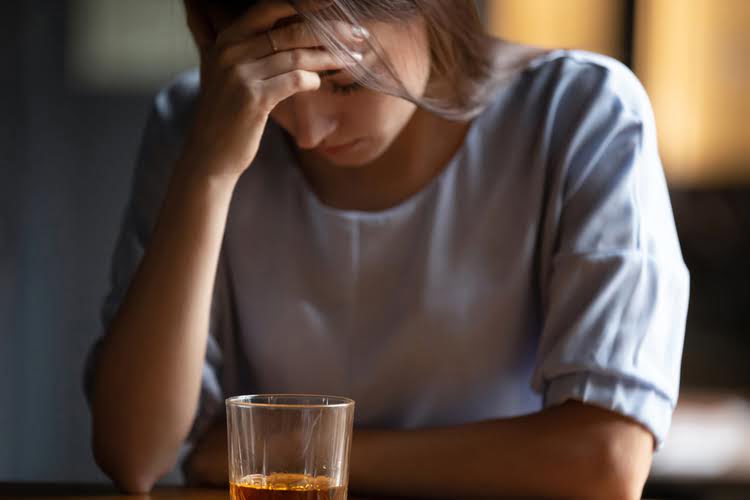
And sulfites, used as a preservative in some wines, can trigger headaches in some people. If you’re concerned about how much you’re drinking, your first port of call may be for you to speak to your GP. They’ll be able to address your alcohol-related concerns and point you in the direction of more specialist support, if this is needed. When you’re in the throes of a hangover, you might be wondering how long it will last and the things you can do to make yourself feel better. Here, we explore hangovers in more detail, including how long they last, what symptoms to expect and practical things you can do to ease or avoid them. You know that a good sleep can help you feel your best in the a.m.
Health Conditions
Plus, hangovers tend to be more severe after drinking on an empty stomach. how long can hangovers last However, drinking more does often make for a more severe hangover, and severe hangovers usually last longer. Fortunately, weed hangovers are short-lived, and you can easily manage them with simple, at-home remedies. Certain professions are more vulnerable to hangover-related issues.
Our mental health services
- Sian Ferguson is a freelance health and cannabis writer based in Cape Town, South Africa.
- The normalization of «hangover culture» in media and social settings often minimizes the negative consequences of excessive alcohol consumption.
- Developing a tolerance to alcohol doesn’t mean you avoid hangovers altogether.
- A hangover consists of both physical and mental symptoms that occur after drinking too much alcohol.
This can make your blood sugar drop, especially if you haven’t eaten. You might feel https://ecosoberhouse.com/ weak, tired, moody, or have trouble focusing—all classic hangover symptoms. Depending on different factors, a hangover usually lasts around 24 hours after drinking. Treatment options are also available for those suffering from alcohol addiction. Much like everything to do with the body, everyone is different when it comes to how they respond to alcohol.
48 hours post-drinking (if we really overdid it):
For some, it can even be a genetic thing, making it harder for their body to break down acetaldehyde, the main toxin from alcohol. A hangover can definitely drag on for a full 48 hours, giving you the dreaded «two-day hangover.» This usually happens after a night of particularly heavy drinking. Once you’ve got a good meal in you, the next step is to be mindful of how you drink. It’s not Alcoholics Anonymous just what’s in your glass, but how fast it’s going down. When your blood alcohol level spikes too quickly, it’s a one-way ticket to a long, painful hangover.

Often, cannabis addiction can be treated in an outpatient setting, such as an intensive outpatient or partial hospitalization program. You can take an over-the-counter medication like ibuprofen for body aches or Tylenol for headaches. However, you should take these medications as prescribed or indicated on the label if OTC. If you are worried about medication interactions, be sure to consult with your healthcare provider. In most cases, a hangover will last anywhere from a few hours to about 24 hours after your last drink. However, there are instances where the effects of a hangover can last for longer than this.
Interestingly, the duration of hangovers can also vary significantly across different age groups. On top of that, your metabolism naturally slows down, and your body holds less water. This one-two punch means alcohol lingers in your system longer and at a higher concentration, making its effects feel more intense and dragging out the whole miserable experience. Another critical piece of the puzzle is your own immune system. When you drink, your body sees alcohol as a toxin and kicks off an inflammatory response to fight it off. This immune reaction is what’s behind that general feeling of being unwell, almost like you’re coming down with a cold.